
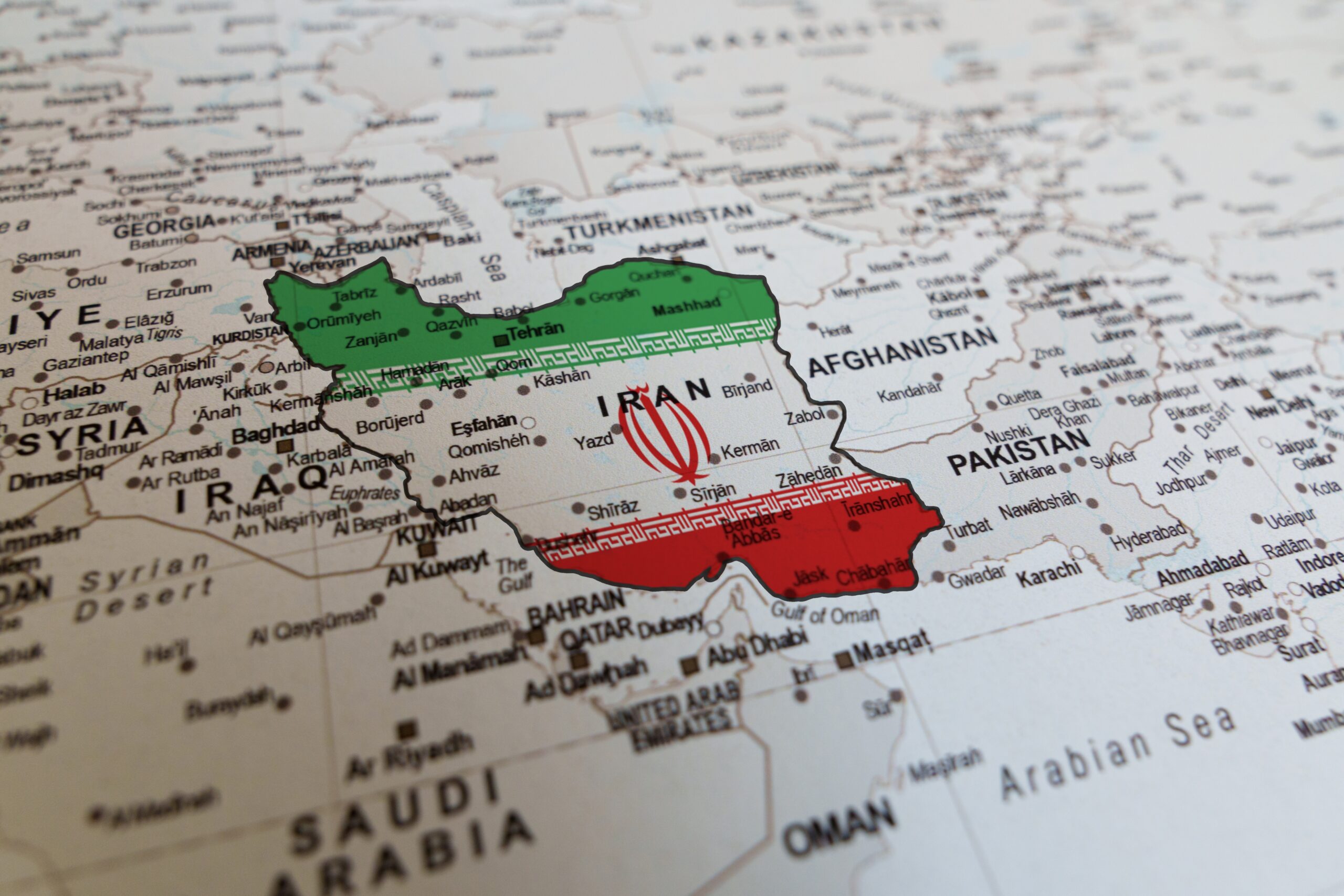
The world’s energy markets have been in chaos since the closure of the Strait of Hormuz following U.S. and Israeli strikes on Iran in February 2026. Where I live in Cambodia, the price of gasoline is about 40% higher than pre-conflict levels, while diesel is roughly 95% higher and liquefied petroleum gas (LPG) has risen 76%. These price increases however are still lower than some of our Southeast Asian neighbors, with the Philippines seeing the highest jump of 76% for gasoline and over 170% for diesel. The Philippine government officially declares a national energy emergency in March in response to the blockade of oil supplies at the Strait of Hormuz through which the country imports 98% of its fuel.
In Singapore the government urges the public to adopt energy conserving measures, while civil employees in Thailand and Malaysia now work remotely from home in an effort to reduce fuel consumption. The Cambodian government, on the other hand, is taking a more relaxed approach, maintaining that oil reserves are adequate and reassuring the public that electricity prices will not increase due to the global fuel shortage. On energy utilization, the government encourages the use of electrical appliances in place of gas for household cooking. These differing approaches to the energy crisis make me curious about how different countries in Southeast Asia secure their fuel supplies and manage resources for electricity generation within the context of the global energy ecosystem.
I decide to start my investigation by looking at the world’s energy sources in terms of renewable and nonrenewable. I swear all I’ve heard in the past decade is about clean energy this and solar panel that, so I’m very surprised to learn that even with the recent strides in clean energy, renewable sources only account for 15% of the world’s total supply, while about 85% of global energy is still derived from traditional nonrenewable sources. This refers to the old-fashion way of burning fossil fuels that include petroleum oil, natural gases and coal for transportation and power generation.

Singapore, for instance, generates 95% of its electricity using liquified natural gas (LNG) that is imported from Malaysia and Indonesia. Both Malaysia and Indonesia are major global exporters of LNG, although they are slowly transitioning to become net importers due to rising domestic demands and dwindling local supplies. Just days before the Iranian conflict erupts in February, Malaysia signs a 20-year contract to buy up to 2 million tons per annum of LNG from Qatar, which is the world’s second largest LNG exporter and a key LNG supplier in Asia. Around 90% of Qatari LNG heading for Asia has to pass through the Strait of Hormuz in order to reach their destinations, but at the time of writing on April 20, none of Qatari LNG tankers have so far been able to successfully transit the waterway since the start of the conflict on February 28.

Besides LNG the Strait of Hormuz usually sees about 20% of global oil supply passing through it daily from Gulf countries towards most of Asia. This includes Singapore, which imports roughly 70% of its crude oil through the strait. In addition to being the top importer of LNG in Southeast Asia with the highest reliance on it for electricity generation, Singapore is also the top importer of crude oil in the region. The Singaporean prime minister, Lawrence Wong, warns the nation of a looming stagflation caused by energy price hikes and a weakened output, the implications of which will be widespread and hard to control once it takes hold. His government has convened a national response team to prepare for the risks that lie ahead with contingency plans to manage the severe energy shortages confronting the country.
Meanwhile, Cambodia is on the other end of the LNG import spectrum. As a weak economy with limited bargaining power in global markets, the country has been slow to transition towards LNG and still relies heavily on coal for electricity generation, which accounts for nearly 60% of its total power supply. It seems to me that this delay in LNG adoption is turning out to be a blessing during this energy crisis, because most of Cambodia’s coal imports come from Indonesia, South Africa and Australia that don’t have to transit the conflict-ridden Strait of Hormuz. After coal, hydropower ranks as the second source of Cambodia’s power supply providing up to 20% of electricity, with output fluctuating seasonally between the dry and rainy season.
Even though Cambodia doesn’t rely on LNG for electricity, the country is far from energy independent. It consistently struggles to produce enough electricity during the dry season and has to rely on substantial electricity imports from Laos and Vietnam to prevent power shortages. The country also depends entirely on imported fuel and LPG for all its domestic needs. According to data from 2024, imports from Thailand and Vietnam account for over 60% of Cambodia’s fuel consumptions, Singapore and Malaysia around one-third, and China roughly 7%. The ongoing supply disruption has led some countries like Vietnam and China to impose temporary restrictions on their fuel exports, so Cambodia finds itself suddenly pivoting to Singapore and Malaysia to compensate for its diminishing supply, which is working for now.

The prolonged closure of the Strait of Hormuz and the resulting disruptions in energy supply are creating economic uncertainties that are felt throughout the world. Asian markets are particularly vulnerable as nearly all of the energy supply that is unable to transit the waterway is bound for the Asian continent. Even more exposed are the nations that rely heavily on energy imports from its neighbors, such as Cambodia for fuel and Singapore for electricity, which are forced to scramble for alternative sources to secure supply. The interconnectedness of the global supply chains means that a geopolitical conflict in the Middle East is no longer an isolated event that is neatly contained within the region. If the blockade persists, the implications of an extended energy shortage will have cascading effects globally that include chronic inflation, long-term changes to the energy supply chains and a drastic restructuring of geopolitical landscapes.